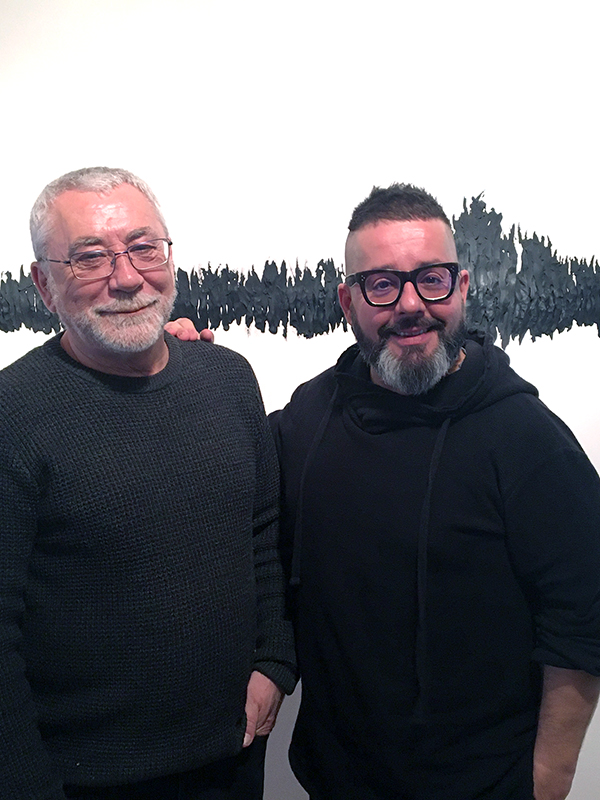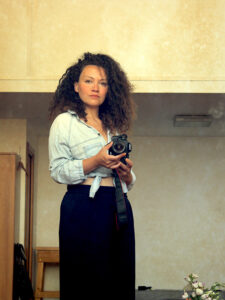
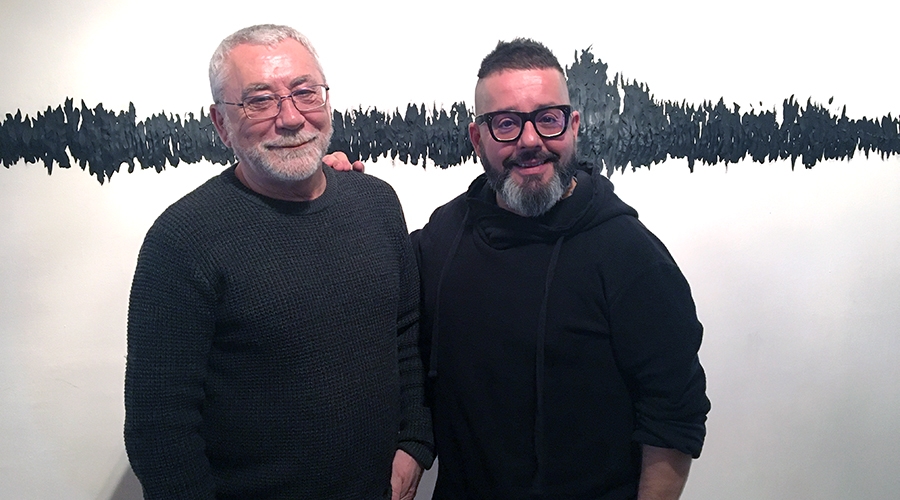
Aurelio Delgado and Raúl Lago rotate the gear of the Carme Teatre for 25, with professionalism, and from the admiration that are professed to each other and the respect they have in the performing arts, In all its variants. In an age when in Valencia there were barely private theater rooms, Aurelio took over the Young Trapeci Room with the idea of accommodating small companies and creating the motivation for new ones to be created. That same year, he 1995, The bubble broke out in the city and a smoke of projects like the Micalet appeared, THE THEATER CIRCLE I THE DISAIRGUT THEATER DE LOS MANANTIALES, i, five years later, landed in Valencia Raúl to study a doctorate in Fine Arts. He would end up in the executive productions of the Carme Teatre company and the cultural management of this alternative room that had to leave his cradle, The Carme, In search of stability and growth. In April they celebrate the fourth century and talked to them about the new neighborhood that has welcomed them, of dance, of poetry and Valencian authors.
As the Carme Teatre started? Aurelio Delgado: There was a room called Trapeci that had been running for five or six years, but did not have a continuous exhibition. I was wearing a friend of mine, Enric Belloch, And one day he told me to leave her, you didn't want to continue. TOT I WAS A BOJA IDEA, I thought at that time to open a room and go liar the blanket to cap. The idea was to have a resident company, my company Carme Teatre, and do a continuous program from Thursday to Sunday. At that time there were not as many companies as there is hara, But with the people I knew and the companies I had here I could do those first seasons. The idea was to accommodate companies and create motivation for new, Because there was no in Valencia at that time exhibition rooms that were not public, i clar, the people we were here, that we had our freshly created company we didn't know where to go.
AU: Did there be no depriva room when you started?
A.D. No, At that time was the laughter, they had just opened it a couple of years ago, and then the main, that had always been.
Raúl Lago: Little, i l’Olympia.
A.D. Olympia was not yet as a theater room. It was theater, then cinema and then theater, and was in that moment in an evolution between cinema and theater. Yes that was the talia, But Talia was like the workers' house, a company that was there tuning always and did his things, Isabel Tortajada's company.
R.L. The Micalet also arose at that time.
A.D.. The same year, As if the moon had been put on I don't know which coordinate, The Micalet opened, The Circle I Manantiales.
What year do we talk about?
A.D. L’any 95. Círculo had already done something before, associated with the school of Pablo Corral. But when they opened the rooms was at the 95. I totes, Besides, By the same date, for spring.
You when you join Raúl?
R.L. Me in the year 2000 come to Valencia, to study a doctorate in Fine Arts, and I know Aurelio a few months of being here. Had already a space created and a company, and I did some first steps of actor at the beginning, In fact, I participated in a production by Carme Teatre in 2002, Eye the eye. It was a very rewarding experience but I realized that someone was in charge of management and production. Like this, I joined in a natural way in that paper, and I., later, I did the Cultural Management Master. From here, he 2001, I was in charge of the executive productions of the company Carme Teatre and brought the cultural management of the room. Fins a hui. From that moment we know this lord and I, Since I arrived in Valencia.
How difficult is the life of a small alternative theater room in Valencia?
A.D. Complicated enough. We did not have public help until the 2008, We were thirteen years without public help. Imagined how it was. Were all personal contributions. I had a good job at that time and I could take care of the day-to-day life of the room even if the companies came to the box office, Because we couldn't pay a hidden. This was something Raúl and I had in mind that I had to change. When we start receiving help we fulfilled that dream and now the companies are coming with their hidden.
R.L. For years, and.
A.D. A room has many expenses: of personnel, light, water, tax… then, is complicated enough, It's serious, But we have been able to resist it and we hope we can resist it here 25.000 years of.
R.L. I always say that, in the end, Life is decisions. We have a job we like, And that means having a more austere life, what does not mean that we miss anything. It gives us a lot of satisfaction and enriches us as people the power to collaborate and see how the city grows culturally, support companies that are growing, appear or are already consolidated, and power to enjoy a creative atmosphere. I always talk about a balance between social profitability and economic profitability. TOT I SOM A PRIVATE ROOM, We also have a social and public field, to protect certain scenic products that have no place in other spaces.
A.D. This has always happened, not all companies can get…
R.L. U don't want to. The administration, in the end, Finish the features of the management we are doing. We have managed to have a pleasure audience for more contemporary shows, that have to do with reality, they have a critical sense… This public programs did not observe it because they were engaged in more commercial things. It is now changing and we have more balance.
A.D. Has changed the opinion on the rooms, At all levels: at a public level, At the level of companies and from the administration.
R.L. The rooms were a way, a step to get to… I will not.
A.D. Ara and, the dirty ones, I THE CARME THEATRE, have been consolidated as a cultural space in the city that does not have to refer to anything else, but they make display, of their products too, and are a cultural reference of the city for the public, For companies and for administration. And we have us to activate the stage and cultural fabric of the city. This has been a fight, Because at first we were not taken into account for anything. There is already an interrelation with the stage actors and the administration, With which we collaborate in some festivals. The administration has seen that it must incorporate other elements into the scene to call a wider audience.
R.L. At the format level, of themes… That you do not need to do a theater with a giant set design with forty actors…
R.L. The concept of alternative room, that's already in the speaker, emerged at the end of the 80 A Madrid in Barcelona, larger cities. And well, We here in Valencia, Being a city more provinces, We always go as God from behind. In Madrid and Barcelona, this fabric is beginning to be generated around the independent alternative rooms of small formed in the nineties, in Valencia begins with the creation of the rooms in the year 95, associated with resident companies, which are the essence of alternative rooms. A company that makes a product that cannot be displayed in a public space because, nor vol, nor does it have a format that fits in a large space in Latin, It generates its own space to be able to exhibit and accompany theirs with the exhibition of other related companies.
A.D. Was called "alternative", Because it was alternative to the public. This also motivated the creation of a different space. Most have the space with bleachers, No thing of high stage that borders and puts you a barrier… details that cause a different way to create.
Why did you have to leave the Carme district?
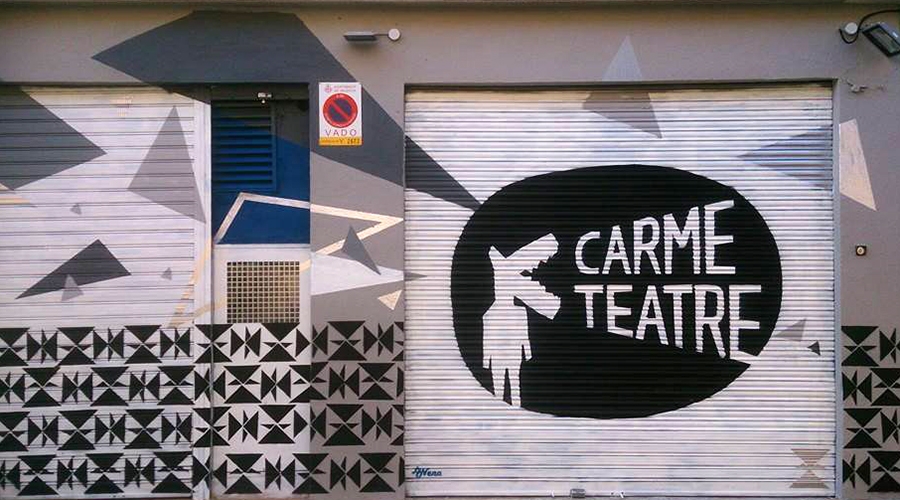
A.D. In the Carme we were in a situation alegal Because the law did not contemplate these spaces. Everyone knew we were there and we received administration help, But we didn't have permission to be there. The Law of Permits for Sales contemplated an epigraph that equalized us in the nightclubs. For that, We were required to be impossible to achieve: a building exempt on all sides and without neighbors, i clar, This in Valencia is impossible. U have go to a polygon or nothing…
R.L. We had no theater license as such. We worked with an old school license that allowed us, com to the subtraction of salts, carry out an activity, what Aurelio says, “alegal”. And us, on the other hand, We had the handicap that our space was from the thousand eight hundred thirty and pico, was protected and, therefore, We were not allowed to do any kind of reform. At the time we will apply.
A.D. In Carme there is a PAI and you cannot make a reform on your own. This, Unit what is to declare zas zone, that prevented having public display spaces… Many things accumulated: The Pai, the zona zas, this allegate that we have commented… Were a bit in precarious in that room that needed some reforms.
There was no political question?
A.D. No. I don't think it was a bad political intention. It wasn't the story of Aim going to load the rooms, no. Zas zone in the Carme district became very strong because they started closing warst a tope, virtually every day stained two or three. And it touched us too, that we did not make noise, We didn't have neighbors, and our schedule was of 20.30 a 22h. From the neighbors we never had any complaints, rather on the contrary. We will talk to the City Council, but legally, per being a zas zone, We couldn't do anything. Besides, Also the help we had to be in Zas Zone also threatened. Then we decided to change and we will start looking for a space. Cost us more than a year. The idea was to continue with the room, This never went from the head, We didn't want to throw the towel, That's why we were a traveling time.
R.L. It was not a political decision much less, Because all the rooms were in the same situation. The political question was more that law passed by the City Council in the year 2008, A private ordinance that was removed by the government of Rita Barberà at the time and had no explanation. We have never understood how the ordinance left that limited any cultural activity to have a space in the orchard or in the desert. Hence the whole project of the Rambleta, for example, which is a totally isolated space. And that all, Nor did this specific rule comply.
A.D. It demands a steel curtain for the stage and this is a barbarity. At the time they drafted her, No one thought of this type of room, that already existed. It is designed for large theater with capacity for 800 o 900 people. The idea of theater for administration has always been the main.
R.L. Ordinance does not differentiate, something fundamental. Because the safety of one hundred people is not the same, than a thousand, is obvious. But that never understood. It is true that with the change in the City Council we have started a series of conversations and are more sensitive to the situation, They are also more realistic and touch the street more.
A.D. The license we could get was the multipurpose space because there was no heading for theaters. All the rooms welcomed us in this heading, which has some limitations: Live performances cannot be performed [laugh]. Therefore, were in a very rare situation.
R.L. Irrationalities and bureaucratic malaptees that make no sense.
A.D. Finally, With the change of administration, We will get them to add an epigraph to the law on stage spaces. In axes they do allow them to perform live performances, do not have disco or great theater conditions as before, ARA JA yes that you have legal coverage. It is a process, The City Council must specify a few more things…
R.L. Nevertheless, The investment we made here was following the previous heading. It is to say, We have a bunker here right now. Now I wouldn't need so much.
As you adapted to the new Tent neighborhood?
R.L. I am delighted.
A.D. Yeah, We are happy. Leave a space you have been working for twenty years, What is the teua house, dona palo. But over that trauma and what people tell you, “ai, This is very good, But that place had so much charm…"People have also become accustomed to, you see that it is a more useful space.
R.L. More comfortable.
A.D. For everything, For the scene, For the viewer… The idea of the other is lifted, the romantic idea, say. The neighborhood has received us very well. Are happy that we are here. It is a very populous neighborhood with middle -class people to whom, may be, It is difficult for you to get closer to the theater, But they are doing it, We have audience in the neighborhood. We have done projects in which the neighbors have been happy. The thing about passing the river, you already know that in Valencia is a psychological barrier, That when you pass the river you already go you do not know where…
R.L. We have broken it.
then, You have not lost audience.
R.L. Quite the opposite. It is also true that this new space has allowed us to do many more activities, We have started a more continuous family programming line. That this also has been grateful in the neighborhood. Is also the Flumen Theater, that has another type of programming and, therefore, We complement ourselves a little as a cultural program in the neighborhood. A bombing gens, despite being a much more powerful foundation economically than us, They also did not have a license to carry out the reforms. When we opened here, Joan Ribó facilitated the works and sudden license, In this tent neighborhood, which is a scarce triangle between Marxalenes and bell tower, There are three fairly powerful cultural spaces in the city with very different programmatic lines that give the neighborhood a cultural diversity. It is no longer the neighborhood of the nearby, is already from the Carme Teatre Room, at the Flumen Hall, Gens Bombs…
You have always bet on dance, perhaps one of the most trouble performing performing arts to reach the general public. It's a personal bet?
A.D. We will start with theater because I came from the world of theater, It was what I knew most, But the idea, already from the beginning, It was to work the Dansa. But there were no companies, The whole fabric was created a little from the rooms. As dance companies went out and we will start contact with them, We were incorporating them. Until we will come to the idea of making extended cycles or dance periods because they had a continuity and be a reference of dance in Valencia.
R.L. All Valencia Dance Companies have gone through the room. Totes. And companies of smaller or medium formats have emerged that we have been incorporated into our programming. It has been everything in a little natural. We have been focusing on dance programming in two very specific months for two years at the end of the year, encompassed in a Carme Dance cycle that includes free courses, the generation of a theoretical discourse around dance, Different talks or colloquium after the shows… And we are seeing that, Having made that effort for years is bearing fruit because we have enough dance spectators. It is also true, than with high quality programming. We always bet on that: quality, quality, quality.
A.D. Yeah, I think that, even nationally, The Carme Teatre is a reference room for dance. We put a lot of stubbornness in this.
R.L. And when we will create this space, We will think about it to be all skilful for dancing. Since the tier ends, The whole space has a floating soil with its linoleum. After, obviously, With the passage of time, Vives arts companies have incorporated the movement. Even our productions. The latest production of Carme Teatre, of Author and Direction of Aurelio, Elegy, also has that part performative with movement. It is to say, that we all have been incorporating this.
Another complicated discipline as poetry is also part of your annual program within the Vociferio Festival.
R.L. Through d’E el Dorado, that was an association with a joint for the Support Market, I met Alicia Martínez and started attending as a spectator in those jams poetic. At one point was the possibility of doing a poetry cycle in the room on Mondays and along 2009-2010 We will bring poets from all over Spain, i locals, obviously. In it 2011 We came up with a festival that we will name Vociferio i, From here, We bring new editions. Of a more recitative line, more austere, of reading and such, Hem Vist, naturally, Society has incorporated the poetic subject into stage discourses and we are more and more proposals that mix.
A.D. The poetry and poets we brought out were working on this line of stage poetry.
R.L. We saw ourselves reflected in other national festivals that arose in that moment, he 2010-2011. And in that year many other festivals came here in the city, which was also curious. Com, repent, These social impulses make intimate Cabanyal emerge, Russafa Scenic… Then already, later, Loops, 10 Senses and such.
A.D. As it happened with the rooms. And there was something in the air, he was breathing…
R.L. I participated with a stage recital in the first edition of Intimate Cabanyal and I think something of intimate Cabanyal also came to Vociferio. They always emerge these synergies that are curious. Hui, Vociferio is a spear in our programming.
Which place does family theater occupy within your programming?
A.D. Something that has allowed us this space, that we couldn't do it there, is family theater. Now it is up to us here, in the line of family theater, that this year we are doing it in a very strong and determined way. Is costing but we are happy because, Let's say we progress properly.
R.L. Above all because we are educating. And don't think it's something I say with snobbery. Family theater there is a lot, But we are trying to schedule shows, I always say, For mamas and dads ready. It is to say, to get through the interactive and color theater codes.
A.D. The classic family theater that has been very close to children's figures known as Pulgarcito, Snow White… There is family theater that has another theme that has nothing to do with, More updated to the current moment of children.
And much more bearable for parents.
R.L. Clar, clar! That talks about art, life, about prostitution, Above death… in a natural way. Things that exist, they are life.
A.D. This is the type of family theater we are incorporating and still a little rare, Because the children still ask what they see on TV: Disney. And is very good, but offer another possibility…
How important are the residence of creation to nourish city theater?
R.L. Us, With Carme Teatre, We have our own project of creation residences that we are developing since we are in the new room. It is a project that is part of our task as a creation center, give dignity and encourage Valencian contemporary creation: ceded the space, facilitating important money to companies… On the other hand, The Gramers project has been adding other administrations and other spaces and we have joined this year working directly with dance Valencia. Creation Grands is promoting another line of work and complements the residences we make. That is our case.
A.D. Staying in a way to do residences is a little limited. If the whole world we do barn residences, they are stipulated in a certain way, All works will be the same way. We think it's OK to participate in barn, but the possibility of offering other residences, with other profile, makes us keep our own residences. We set a different profile that does not limit so much that when residences are in a univocal way with a profile.
R.L. Collaborations have emerged in the exhibition of third week's shows, of Valencia Dance, It's been many years ago, but also of the festivals that have been emerging: 10 senses, where we had a show of our, the one ofElegy. Or this year, that we will collaborate with Circuito loot. We may collaborate in the future with other festivals. Are synergies that are given. But obviously, We have clear the lines we want I will keep in the space and we will continue to keep them while we can. But we are open to creating synergies and networks with external things.
Talk to us about the cycle With the text above In which you recover texts by Valencian authors.
A.D. This arose by the need. You go and you see that in Catalonia, obviously, but also in Galicia or in the Basque Country, They have a theater where they incorporate into their classics. And traveling here I told Raúl: “And we because, no? Because in Valencia there is no such? Who are our classics? Apart from the sainet, must have had something else, no?"Then, We will start researching.
R.L. Aurelio is a philologist.
A.D. Yeah, But you don't think I knew so much about it, had a lot of ignorance. There is a lot of ignorance of the previous theater. Yeah, we know William of Castro or Eduardo Sclamate, but little more. Then we will begin to investigate the theater of the twentieth century Valencian and we will realize that there were very interesting authors, that had been wealth and people with important proposals.
R.L. Hallucinants.
A.D. Yeah, Within the line that was being made in Europe: the naturalism, expressionism… that we thought they had never arrived here. I do, they arrived and we had dramatic representatives of this. The idea was to make a recovery of those authors and make them known to the whole world. They are pieces with many actors and we knew we couldn't make productions that were montages as such, Because it was economically unviable.
R.L. We were also not interested in artistically.
A.D. Were both. On one side, they had to be pieces that could be prepared in a short time, and reading gave us that possibility. A reading that also incorporate stage elements. On the other hand, It was a theater that was very good, But he lacked action. Is a theater made of words, is absolutely dialogue with incredible linguistic domain. Is also customary enough and, this, associated with the sainet, which has been the tip of that type of theater here, brought us a little to the alpargata and the sash. We wanted to avoid that. Reading also allowed us to distance: We no longer had to dress as in the time, nor do the stage design of the time… That distance sought to overcome the text, that was the important thing, where the authors stand out, and he lifted him.
R.L. That's why let's tell you With the text above. Are staged readings where there is sound space, There is lighting and video in almost all of.
A.D. The project does not contemplate that they are all readings, It was never that idea. This year we have made a production, Barracks 62 by Joan Alfons Gil Albors, you already have other connotations, There is more action, It is a work that could not have been understood only as a reading. And I think from now on, that we are going for the years 60 and already begins a more action theater, more contemporary, We will be combining assembly with reading. The idea, above all, is to recover authors who have never seen.
R.L. As the work of Lenin, for example, that he had never been on stage.
A.D. The text of Lenin was lost. It was a lot of talk about him because it is a document of documentary theater, that in the time did not exist. He talked about him as a revolutionary work of Valencian dramaturgy and there was no where to find, But we will find it in a library in Barcelona and we could put it on staging. And not just the one Lenin. Borda, that is a great work of the 1911, premiered and no longer represented. I dius, “How is it possible for a work like this, You have never been performed again when you should be in the repertoire of Valencian public theater?"Because it is a work with an obvious value at all levels.
R.L. It is about a woman who tells her "La Borda" to her, As "the silly the people”, and suddenly, finger, decides to burn the village.
A.D. Because they violate it, and suffer a series of things to be a woman and a little silly, receives a mockery of the cruel people and she, in the end, in a moment of lucidity, No of Bogeria, of lucidity, burning the people. It is an expressionist work.
R.L. 1911!
A.D. Has very expressionist things. Voices of Valle-Inclán, from Lorca… The play begins with a children's song, something Lorca uses later in his dramaturgy.
R.L. We have found ourselves and we have been interested in works where the woman had a very important empowerment role in the time. There is another work that we will recover, Poor flowers, on al final, the asset, He was directing directly to the public and made a whole feminist allegation. A work of 1923.
A.D. Is like a daughter -in -law [protagonist of L’Ebro Doll House d’Henrik Ibsen]. Her man deceives her. I at the end I diu: “You know I tell you, that you stay here. I go with my lover and gives me the same what the people say. ".
A.D. The text of No time up we go of Peris Celda also believed lost, But talking to the author's family turns out that they had mechano -written the original of the work. It had been lost and is a penalty because it is a text that begins the War Theater of the Republic. The search, they found it and we recovered it. We are happy, of being able to increase dramatic heritage.
Of all the companies that have passed through the Carme Teatre, What is the breast of your pride?
R.L. Within the 25 birthday we are doing data collection and I have counted, until now, even 2019, 435 companies. Some have been, four, five and up to six laps. What is proud of us, sincerely, are companies that have started in the room and continue to work with us, and offering quality to their shows and diversity in the cultural fabric of the city. We cannot give a name for this. There are many companies that continue to trust Carme Teatre and continue to give cane. Companyies that Duen Deu, fifteen years and, even, as many years as we do. This is what really full of pride and satisfaction.
As you see the Valencian stage scenic?
A.D. I am optimistic.
R.L. Me too.
A.D. Because we have talent fabric. We have playwrights, actors, directors, set designer… talented. I am very optimistic here because I think this is going to follow, He goes ahead and we will see very interesting products in the Valencian productions. But on the other hand I think that the rise and the risk of an administration that bet on what is there is still missing. Are betting, I'm not saying they are not doing things, because it has improved, But it should be a more determined thing. The administration, that you have the opportunity to find paths for talent to be visible, not only internally, local, but at the national and international level.
R.L. The distribution is where they still punch.
A.D. Festivals, feries… In order to be able to bring all the talent we are seeing and that people can see it and can recognize it. In this you should now obstinate the administration. The broth is.