
UNTIL SUNDAY 2/11
VAT. Guillem de Castro, 118
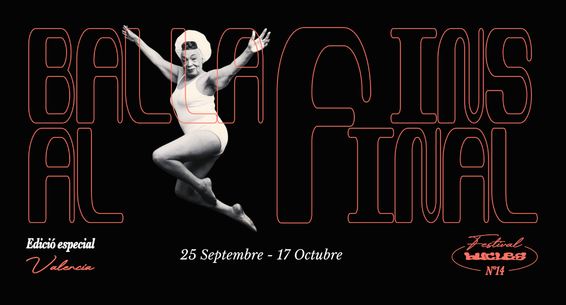
Save the fi y Maren Hassinger founded Studio Z in Los Angeles with two other colleagues with the intention of offering the local African-American community of dancers, artists, musicians and poets a space in which to express themselves freely. and to create, by the way, bonds of support needed within a predominantly white world, male and heterosexual. In this context, the two artists to whom the IVAM dedicates its latest exhibition forged their friendship., within a community in which its members shared interests and experimented with each other's works. A clear example is the first collaborative piece of 1977 made by four hands between Senga Nengudi and Maren Hassinger: R.S.V.P. (please answer), originally intended to be activated in performances involving dance or music. after giving birth, Nengudi created his most recognized pieces, sculptures with nylon stockings filled with sand, anchored to found objects. And Hassinger interacted and danced with them in their performances, evidencing his interest in the body and the performative. Before starting to work on the sculpture, the two artists trained in dance, Hence, their performances incorporate dance and their object pieces reinforce the sensation of movement.. The relationship between performance and sculpture is a constant in Nengudi's work.
Hassinger was interested in the tension between nature and culture. He started working in the seventies with natural elements (tree branches or sand), combined with industrial materials such as ropes, steel and cement cables. At the IVAM exhibition, the hardness of malleable steel dialogues with the branches of the tree, resistant and fragile at the same time. In the eighties he incorporated other materials, like balloons, newspapers and bags, that hang from the ceiling of the museum in the installation of 1999 Untitled (Pink Bags). A little further on, drawing a curtain, you can enter Warp Trance (2007), an installation made with punched cards that were used to program the weaving and patterns of textiles, result of Nengudi's research on machine weaving processes in textile factories.
The tension between the hierarchical order of industrial society and the arbitrariness of nature is a people mottin Hassinger's work. It is evident in Garden V (1999), where frayed steel cables evoking organic shapes unfold neatly in a grid, but they dance at will as if moved by the wind. The tour with the sculptures dies Water composition de Nengudi, made with vinyl bags filled with colorfully dyed water. Their shapes adapt to the ropes used to hang them on the walls or to the pressure of their own weight on the floor.. And it all ends definitively with Hassinger's heavy manila ropes suspended from the ceiling and placed on the floor. Sculpture, performance, installation and video coexist in this exhibition of two racialized women, mothers and artists who had to create in a very adverse context: blanco, of men and very individualistic. Here, however, homage is paid to friendship and collaboration. S.M.