UNTIL SUNDAY 27/11
F. BANCAJA. Pl. Tetouan, 23
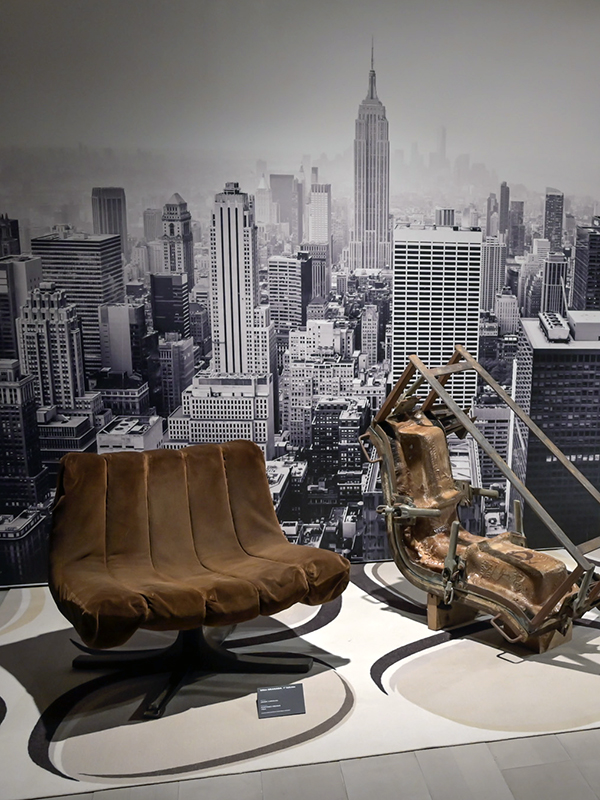
He 90% of the furniture inside the emblematic Casa Batlló in Barcelona is made in Valencia. It is an anecdotal but revealing fact that shows the importance that Valencia had and has in the world of design—especially that of furniture—at the state level., just a little behind the other big engine in the sector, Barcelona. Design and modernity chronologically traces the development of Valencian design over nine decades, from the end of the 19th century until the entry of Spain into the European Union in 1986, that is to say, for the “prehistory” of design that has led us to where we are today, to be World Design Capital. A journey from art deco to rationalist design, from a marvelous grandfather clock from the 1930s belonging to the Bancaja collection to the Lady chair by Arflex that remains a bestseller today. A tribute to design, that constant pushing the limits of functionality with the search for aesthetics on the horizon. You will be able to see 57 emblematic pieces of Valencia brand furniture from the years of emergence of the industry in the territory (20-30) —mainly chairs and armchairs, but also lamps, desks, a rocking chair, toys, a crib and a bed—so modern and avant-garde that they would pass for contemporary. And it is that, experts say, At the beginning of the last century the city was absolutely connected with European and American modernity. Five years after the curved iron technique was developed in Germany, Enrique Mariner brought it to Valencia, Shortly after he made the curved furniture in Vienna, Ventura Feliu implanted it in this land. Good sign that designers and the industry were very attentive to the changes that occurred in the techniques and tastes of the moment.. Bancaja Foundation opens the season with an exhibition that seeks to change people's views on the design of the objects they have at home, point out that something as simple and common as Tupperware is a design milestone. S.M.