
1989. The end of the 20th century
UNTIL SUNDAY 19/5
Case study: 1989. VAT
UNTIL MONDAY 10/6
VAT. Guillem de Castro, 118
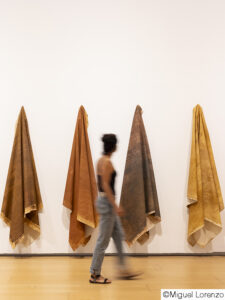
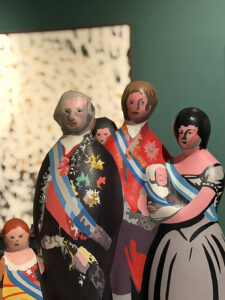
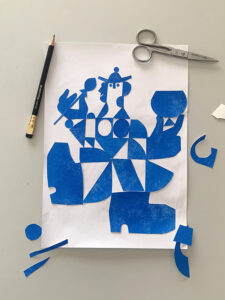
As part of his thirtieth birthday celebrations, In January, the IVAM inaugurated two autonomous but deeply intertwined exhibitions. The first, 1989. The end of the 20th century, reviews through art the key events that happened in 1989, year that marked a cultural before and after, social and political in the world and with which it began, in fact, the 20th century. He 200 anniversary of the French Revolution, Tiananmen Square protests, the end of the Cold War and the East-West blocs with the fall of the Berlin Wall, the SIDA pandemic, Khomeini's death, the Velvet Revolution in Czechoslovakia and… the inauguration in Valencia of the Valencian Institute of Modern Art, the IVAM. Case study: 1989. VAT offers a brief overview of how the first project in Spain for the creation of a modern and contemporary museum promoted by the policy of autonomy was created., thanks to the union of three factors: political will, the artistic project of Tomás Llorens that included a very solid art collection and the support of great layers of culture. This exhibition includes the documentation that accounts for the creation of the museum., a wooden model of the building, photos of the construction and the inaugurations that took place the first year, material that contextualizes a place and a time (ACTV posters signed by La Nave) and works from the collection (tapies, Remains, Julio González, Chronicle Team…) that will change, displayed as if they were in the museum warehouses.

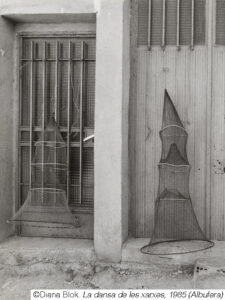
All works of 1989. The end of the 20th century were created in 1989, Therefore, it is difficult for them to directly reflect what was happening at that time., but they did sense what could happen or felt the pulse of the events that were to come.. The idea of temporality is very marked (watch Richard Artschwager) and the references to vanitas (the rose ball James Lee Byars) They are frequent because it was a year in which events happened at a dizzying pace. Las Guerrilla Girls They designed campaigns to denounce the gender inequality that large museums such as the MET in New York promoted with their exhibitions., Ian Hamilton Finlay refers to the French Revolution with “Je vous salue Marat” in neon letters, Nan Goldin portrayed the love story between Cookie Mueller (by John Waters) y Vittorio Scarpati (of which we can also see some drawings), both died from AIDS, y Robert Mapplethorpe with your photographs (At the IVAM one of the latest works is exhibited) It provoked the censorious reaction of a conservative and moralistic political power that was very uncomfortable with nudity and homosexuality.. S.M.