BB.AA MUSEUM. Saint Pius V, 9
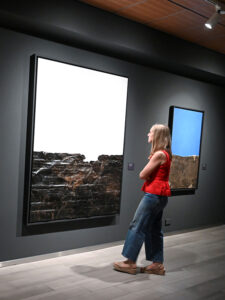
By now, the changes in the world of Art occur at such a speed and the range of styles is so wide that it makes no sense to keep cordoning off artistic currents. And it can be, nor did it make much sense to do so in other times. The exhibition Neither clàsic nor modern of the Museum of Fine Arts questions the division established by Art History between "classic" and "modern" painting in the second half of the 19th century (1850-1880), when the romantic ideal (likelihood, erudition…), began to be perceived as anachronistic. And the term "modern" was reserved for paintings on topical subjects that focused on perceptual immediacy, made outdoors, and executed in a fresh and carefree way. Today, art is in a mad race to make an impact, then what was sought was the truth and "the truth", as a concept, it is unattainably complex. In the sample we see, for example, how the collective truth could be embodied by the people as a whole, freed from protagonists and proper names. In addition to reflecting on the use of words, the museum has other goals, how to reinvigorate the work of artists who have remained between two waters and cannot be framed in a precise place. Or take out of storage paintings that have been seen very little (come on), com Calvary of José Benavent Calatayud i Beggar, by José Bru Albiñana, what, painted without any kind of idealization, shows interest in new human types, so characteristic of realism. You will find boxes like The charity d’Ignacio Pinazo, with free and fiery brushstrokes, portraits that reveal Goya's influence on Valencian artistic culture, recurrent scenes of the realist painters such as that of the laundromats, or a frequent theme in the painting of the end of the century: the contrast between the authenticity of the countryside and the pollution of civilization embodied by the city. S.M.