
UNTIL SUNDAY 23/4
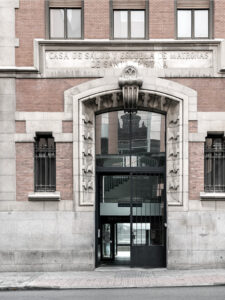
VAT. Guillem de Castro, 118
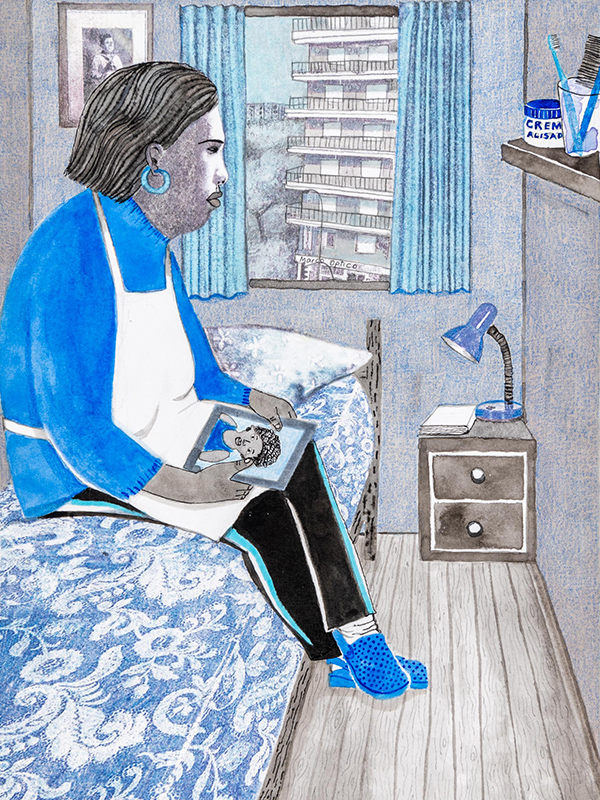
Ana Penyas and Alba Herrero put care at the center of this exhibition that is interwoven with interviews with domestic workers, documentation on the social perception of their work (feminized, precarious and invisible from top to bottom) and drawings from the Ana Penyas National Illustration Prize that collect specific situations related by the protagonists to give a global vision of a structural problem. Alba tells, Ana draws and Valentina, Gazpacha, Paqui i Pura, among many others, they tell us about their experiences as domestic workers. Together they outline how the figure of "the maid" has developed, what, at the same time, it is a reflection of many of the social changes experienced in the Spanish state during the last century: the aging of the population, the incorporation of women into the labor market, immigration… The women interviewed offer a view of care crossed by the class, age and provenance and reflect, in the words of Ana Penyas, shitty moments, but also of struggle and the conquest of rights.
The theoretical corpus of the exhibition draws fundamentally from the book Maid, employee, domestic worker (AN editorial) of Eider de Dios Fernández and the anthropological panorama on the perception of the maid is provided by the comic Petra. Created for everyone, the movie How is the service with Gracita Morales or the series Aída. Witnesses tell stories like Mari Carmen's, that when he returned from France he joined the Workers' Commissions where a group of domestic workers was created. And the illustrations by Ana Penyas reflect the anxiety of walking down the street without papers and the monster of bureaucracy that hinders obtaining them, the weight of a key chain full of keys to other people's houses, the workplace harassment and humiliation to which the workers are subjected and the creation of bonds of solidarity between them at the very first hour of the day when the subway takes them from the periphery to the center to work. in a house it is a cry because it is recognized affectively, socially and at work to domestic workers and the dignity and importance of care work that is burdened on the back. S.M.