
UNTIL SUNDAY 25/10
M. Prehistory. Corona, 36
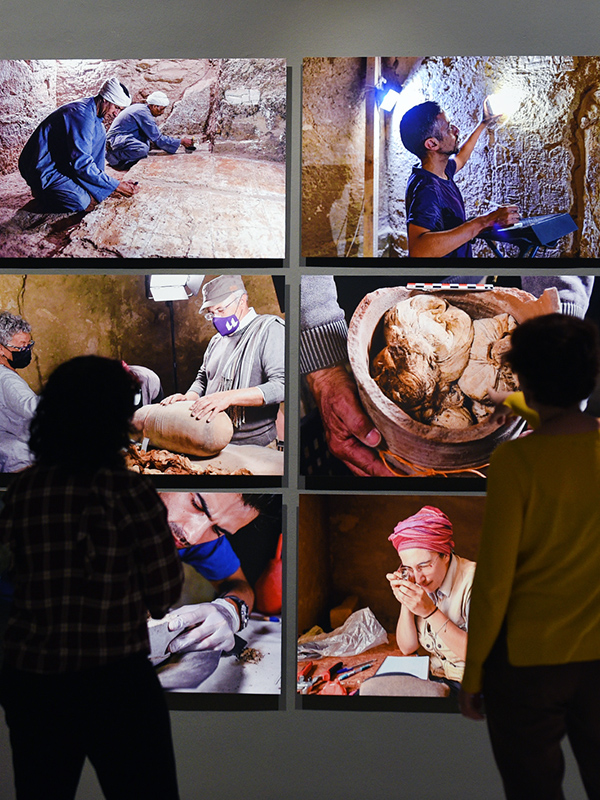
Built during the Nubian Dynasty in the 8th century BC (that of the so-called black pharaohs), the tomba is not four 209 is located on the northern slope of the Hatasun valley, a dry rambla located on the western bank of the Nile, right in front of the city of Luxor (ancient Thebes). A multidisciplinary team from the Canary Islands began excavating it, document it and study it for the year 2012 and among other things, discovered the burial of Nisemro's family, a high dignitary of Nubian origin who appears represented in a small relief with his dog Hekenu. His funeral complex, with amazing architecture and rich in symbolism, it is the reflection of a time when Nubia and Egypt were deeply intertwined. Exceptional findings have also been documented with more than 2.700 years of history that have allowed rituals to be reconstructed, as well as the uses and phases of reuse of the tomb over the centuries. For example, Phoenician amphorae, uixebtis (small statues that were deposited in the tombs) that speak of ritual practices and surprising cultural connections, and Paleolithic material washed into the tomb by the rains. And all this has been immortalized by the mission's photographer, Miguel Barrios Mufrege, within a meticulous photographic archive that makes up the new exhibition of the Museum of Prehistory, Canarian archeology in Egypt, a dialogue between archaeology, photography and the millennial history of Egypt. AU