
To Wednesday 1/7
CCCC. Museum, 2
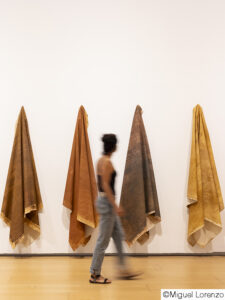
In Benetússer, the water denied the study of La Grúa Estudio; they lost a lot of work and a juicy collection of comics. A Torrent, a tongue of water entered through the door of the workshop of Oriolan photographer Ricardo Cases and left again taking eight hundred books from his personal library, that ended up scattered across the ravine. Inside an agricultural warehouse in L'Horta Sud, in the Algrà space, the serigraphy and engraving workshop of Elias Taño was razed. To Paiporta, a Lucius Juan the palm grove that stands in front of her workshop saved her from total catastrophe and acted as a natural barrier. These palm trees are part of the work presented in the exhibition Genealogies of the territories, along with an image-carpet that recreates what they saw after the barricade of the 29 of October the inhabitants of Horta Sud and Ribera Alta, and two blocks of that mud treated with an innovative technique that keeps them intact.
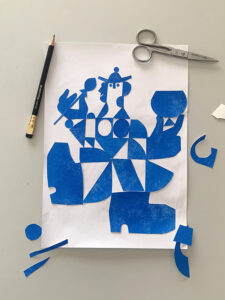
All five, like the others 55 artists who are part of the Center del Carme exhibition, they have cauterized the wound in different ways. Cristina Duran (The Crane Studio) he spilled the experience lived in a comic published in The Weekly Country, which he exhibits at the CCCC alongside mud-stained illustrations from his comic book Maria La Javelina. Ricardo Cases he recovered some of the books washed away by the water, he opened them, he photographed them resigned to the mud and stitched the images into a photo book called Catalog, that tells us about chance, loss, memory and nature imposing its mark. Now present a picture-collage with relief that combines industrial elements with marine animals. Elías Taño set up an exhibition in Bangarang with graphic work and originals battered by mud, and this is what we see again at the Center del Carmen: posters of plays com The market is freer than you, designed for the political theater company Awirohecho.
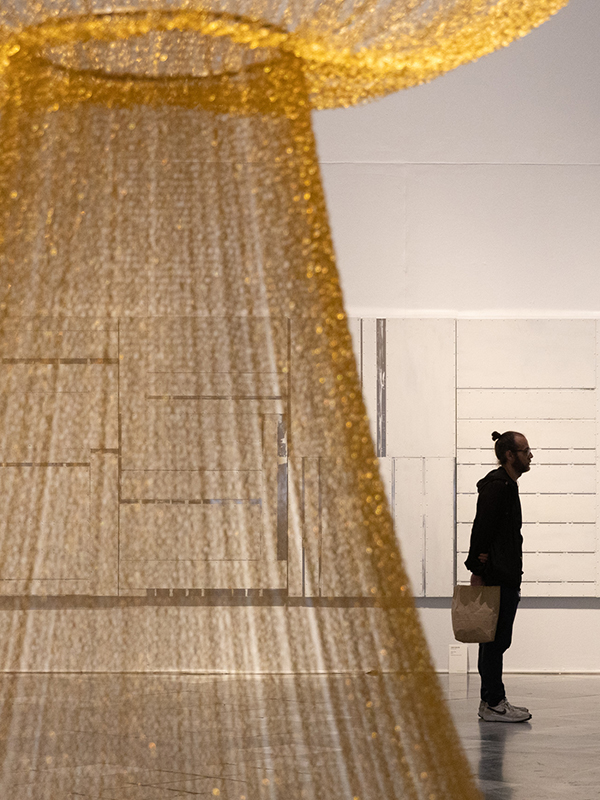
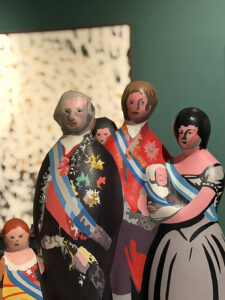
Genealogies of the territories collects the work of sixty artists whose studies were affected by the October flood 2024. The footprint of the dana it was a first testimonial exhibition that gathered the voices of 43 affected artists, and this new installment goes from testimony to creativity, adding ten more artists. They now arrive in the form of a work of art (textile, paint, photograph, ceramics, collage, drawing, video, technology mural art) reflections on nature, memory and the ephemeral, that come from different generations and approaches. The exhibition brings together works that were saved from the flood and that today still show the footprint of the water, others that have been restored, and also post-dana pieces - some realized expressly for the show—that offer an artistic reflection on the catastrophe. Aside from those already mentioned, you will find the creations of others like José Sanleón, Hugo Martínez-Tormo, Rebeca Plana, Álex Marco, Monique Bastiaans (with an impressive central facility), José Luis Cremades, Nelo Vinuesa, Alpuente Gemma, Manuel Blazquez i Cristina Guzman, perhaps the most openly critical of the work let's remember, made of clay tiles that mark the eight and eleven minutes. S.M.