

Like almost all Western countries, Spain is completing its transition processin schoologic: coal mines close, the power plants turn offandrmics that generated electricity from this “black gold”, and ends a way of life for entire regions, now they must reinvent themselves with new energyas.
The coal industryI don't changeor the landscape and the way of life of the inhabitants of those territories, agricultural and livestock areas became fully industrialized societies almost overnight, This social change attracted a large population from other territories of the state, Therefore, the small towns could not encompass such a large mass of people and mining towns and neighborhoods proliferated..
Infrastructure was improved, the railway reached unimaginable areas for the transport of coal and passengers, and many of the workers' struggles began in these places, since the miners were among the first industrial workers who demanded improvements in working conditions, against the owners of the farms.
But the end of everything andthis period arrived, and with it the abandonment of many of these infrastructures and mining wells, spaghettiandIn many of those towns, although many of them are still standingand.
Another consequence has been the depopulation of many of these territories., since the new generations have not had a job alternative to continue living there.
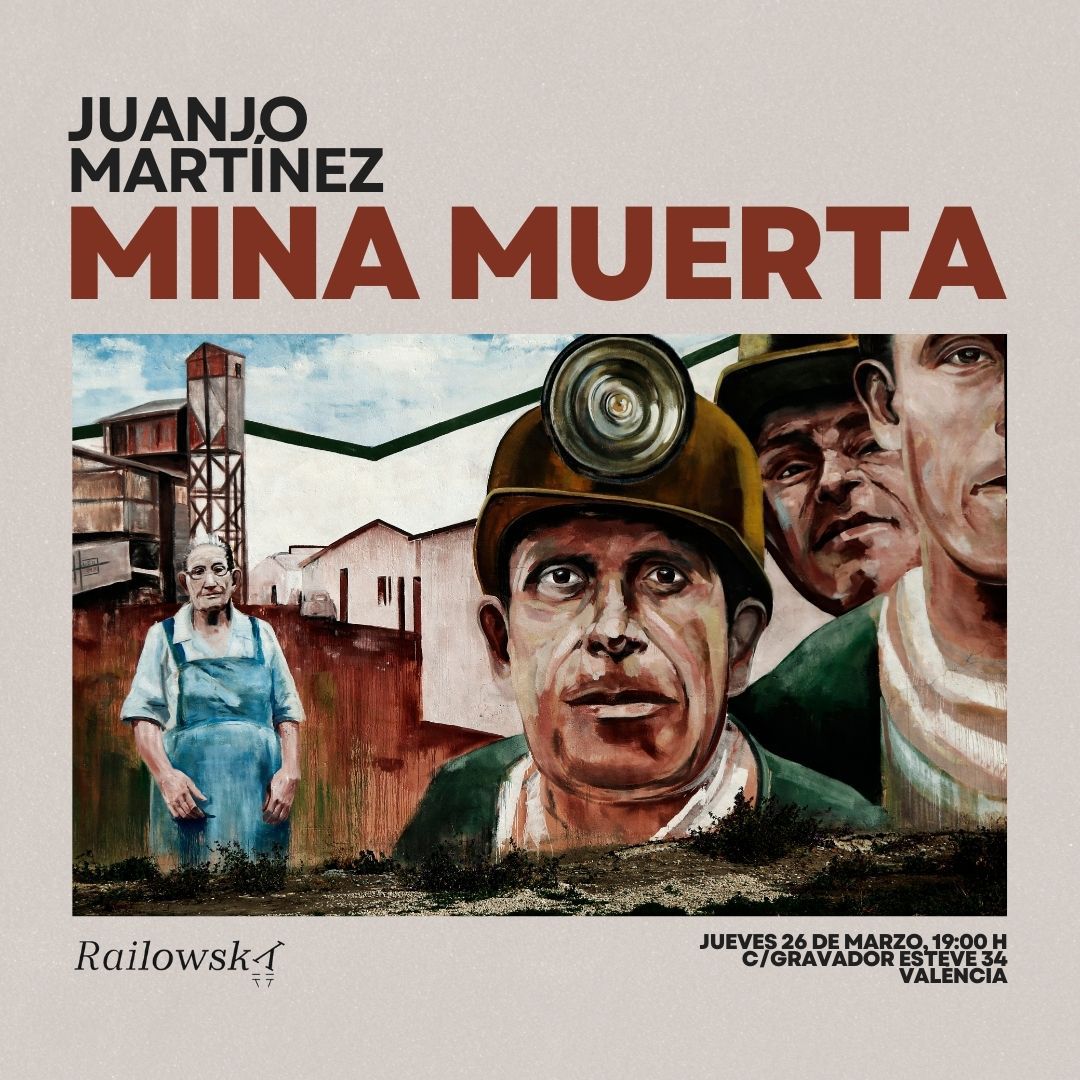
Mina Muerta is a visual experience through these territories, a tour of those mining neighborhoods, for those abandoned infrastructures, those transformed landscapes and those lives stopped in time, in many cases, sooner than they imagined.
Mina Muerta is a documentary photographic work, to show a physical and social reality from the photographer's point of view.