

More beyond of the your paper com a condiment, he saffron era rated for the their fragrance, he yourcan dyers and the its virtues therapeutic. A difference of the trade of species com the pepper or cinnamon, coming from of regions distant com l'endia o Indonesia what they arrived to Europe through of the Silk Road, he saffron espanyol va perform durant the centuries XIX i XX un journey inverse, from the West a Orient. In this cas leaving of locations com Novelda, what is vanbecome the center marketer of a product cultivated in zones of Castile-la Belt, to export the saffron a l'endia, the china, philippines, he Japan o america.
It is also in Valencia va cultivar i to market l’or red, com testify the existence of one shop of the saffron to the city, although the activity va decaure with he not of the years. In the present, Continuous novel retaining companies dedicated to to market this spice in more of me dish, com es show in the exhibition through documents i photographs.
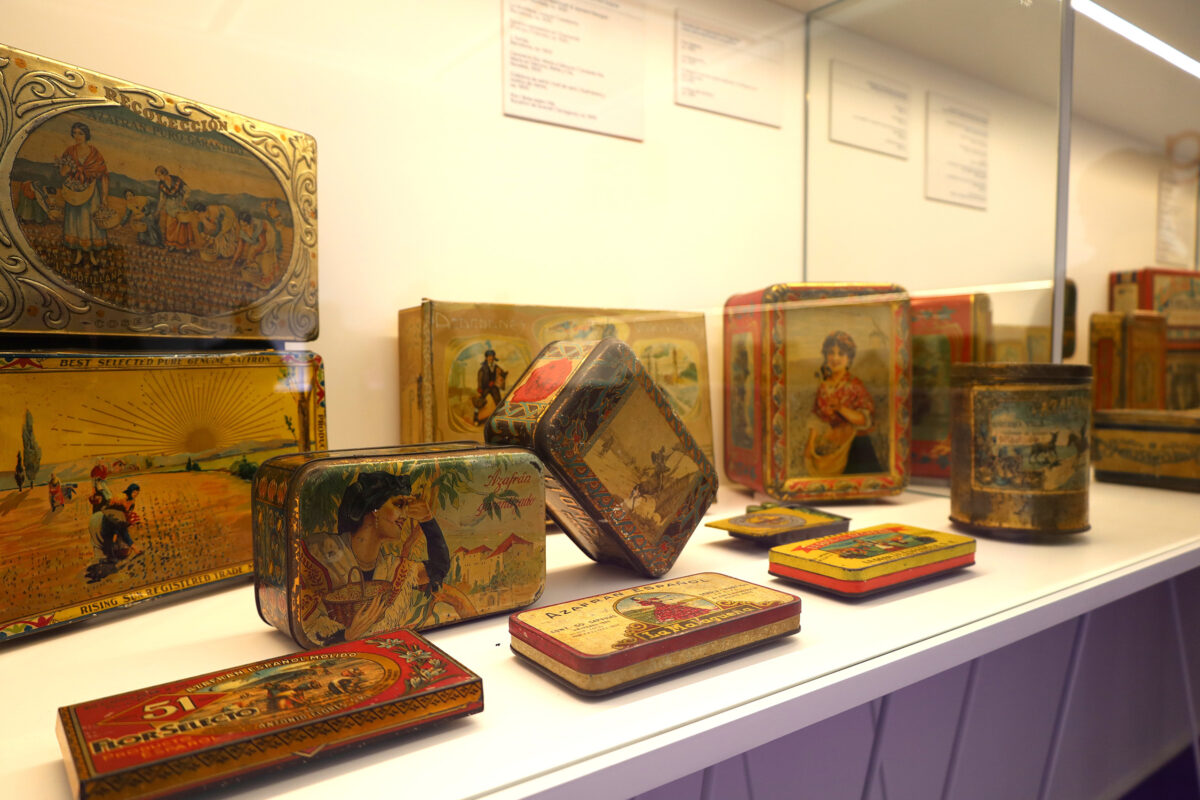
The show exhibix also various objects related with he trade of the saffron, But especiallyA great amount of boxes i containers necessary to bring the product a different partsof the dish. Estes boxes van to be produced by merchants from Novelda, what van to use reasons i decorations adapted as countries of destination for one better commercialization.
The rim in which iconography Hindu
Through the collection of boxes of saffron by David Beltrá Torregrosa s’observa the evolution of the rims, THE decorations i the reasons adapted to them modes of the your temps. Result especially significant iconography hindu who puts of manifest the ingenuity of themarketers. Some estos reasons are spiritual i religious, haha what in countries coml'endia he saffron era used in the scope spiritual and in them ceremonies religious.
The exhibition dedicate a removed a the evolution of the designs directed a fer more attractive the goodsand build brands solid. Of the of the fragile i ephemeral wraps of paper of one sola doses finsas elegant estotjos lithographed. No are these the unique aspects treated in one show that addresses issues com he paper of the donut in the production of the saffron, the framework industrial that leaveof lands Alicante, with epicentre to Novelda, in which shop of saffron of Valencia boosted bytrader Damaso Alcaraz.
In these sections is presents the laborious work of women manchegas, with denominationd’origen own, he process of collected, toasted i preparation for a la commercialization of the spice, in which vision of merchants from Novelda com José Cantó and the your nephew José Verdu, Manuel Alberola, Arturo Gómez Tejedor i the germans Juan and José Sellés.